


Skin protection against photoaging
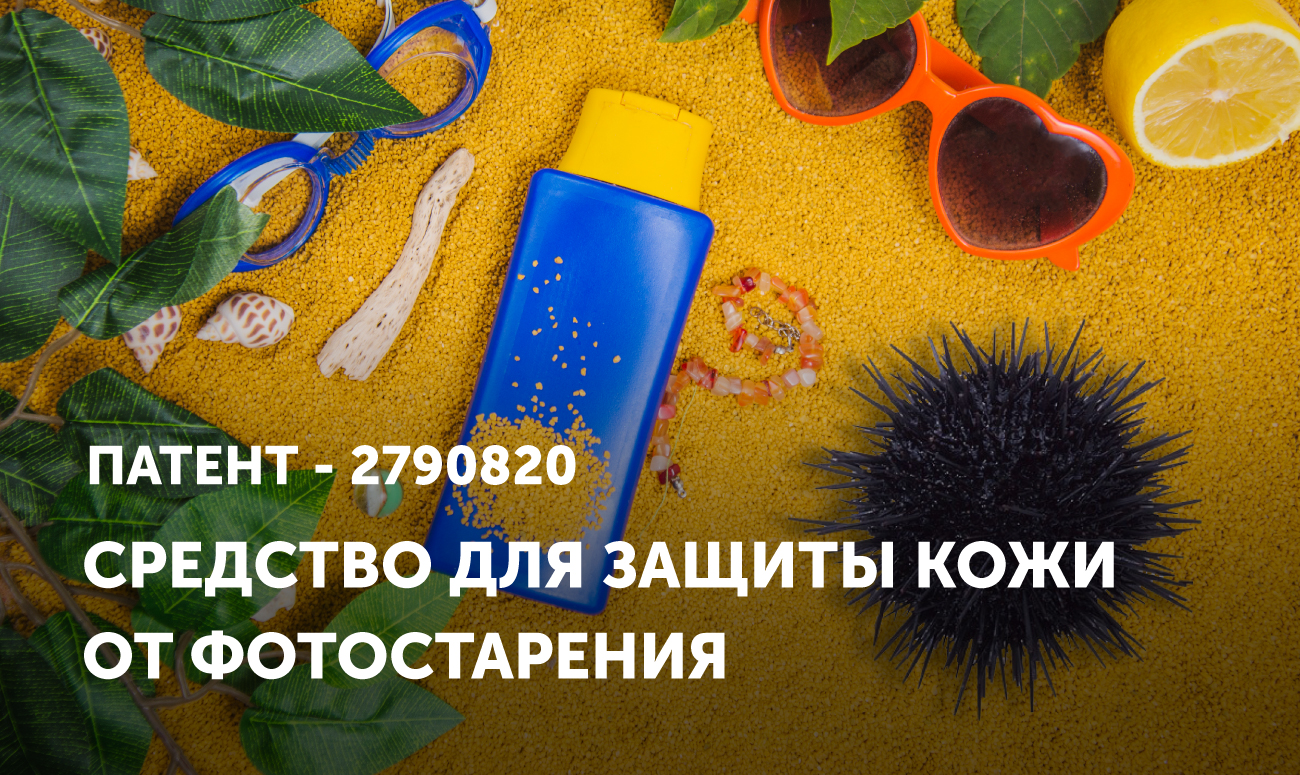
|
PATENT: |
2790820 |
|
INVENTION: |
Skin protection against photoaging |
|
PATENTEE: |
G.B. Elyakov Pacific Institute of Bioorganic Chemistry |
|
PURPOSE: |
Alongside natural aging, the exposure to the Sun’s UV radiation (called photoaging) is known to be a critical factor of skin aging. Exposure to UV radiation causes the skin to produce large amounts of reactive oxygen species, which trigger a complex set of cellular responses. This leads to oxidative damage. The invention can be used to protect skin against this process. |
|
INNOVATION: |
Previously various candidates have been tested as skin anti-aging agents: flavonoids, polyphenols, carotenoids, vitamins C and E, extracts of such plants as soybeans, sea buckthorn, turmeric, green tea, grapes, soy, milk thistle, pomegranate, field horsetail, gastrodia elata, water lily. However, a disadvantage of biologically active substances extracts is the low content of active products, the presence of unidentified components. This poses a risk of ingestion of harmful substances. Moreover, the bioavailability of active substances from extracts is not always satisfactory. Unexpectedly, it was found that echinochrome A, the most abundant pigment in sea urchins, can be used as a skin protection against photoaging. As an inhibitor of specific enzymes, echinochrome A prevents the destruction of extracellular collagen, contributes to the preservation of skin structural integrity and functionality under prolonged UV exposure, and helps to prevent the development of inflammatory and allergic reactions. |
|
SCOPE |
The invention belongs to the field of pharmacology, dermatology and anti-aging medicine. |


